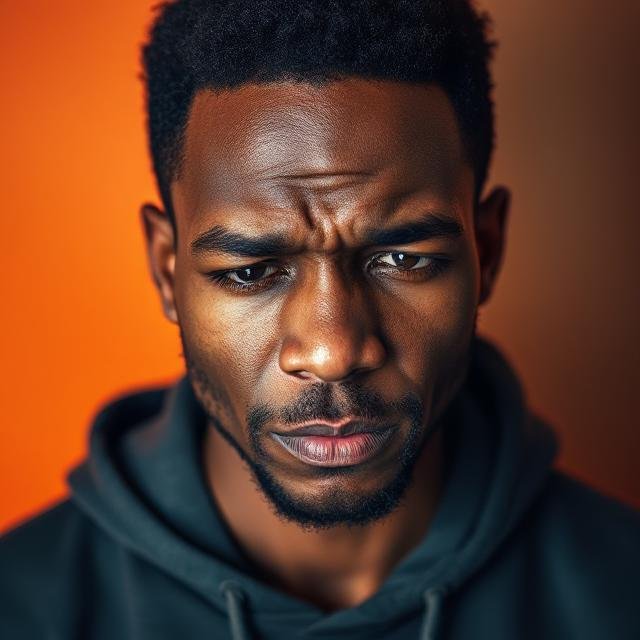
If you’ve been abused—emotionally, physically, or financially—**you’ve probably questioned your manhood.** That’s not weakness. That’s what happens when you’ve been undermined, mocked, emasculated, and gaslit over and over again.
The world doesn’t talk much about abused men. And when it does, it usually says: *“Just man up.”* But real masculinity after abuse doesn’t look like a cliché. **It looks like quiet strength, earned through fire.**
The Lies Men Are Told
– “Real men don’t let women treat them that way” – “If you were a man, she wouldn’t act like that” – “Stop being soft. Get over it.” – “You should’ve put her in her place.”
Those aren’t solutions. They’re shaming tactics. **And they keep men stuck in silence.**
What Real Masculinity Actually Looks Like
– **Courage** to walk away instead of strike back – **Restraint** when provoked—especially when your reputation is on the line – **Emotional clarity** to feel your pain without becoming consumed by it – **Protective instincts**—toward your kids, your future, and even yourself – **Self-control** when anger is burning but your integrity matters more
Strength Isn’t Control—It’s Centeredness
You’re not strong because you can dominate a room. You’re strong because you can stay grounded when everything’s falling apart. You’re strong because you can take responsibility **without taking blame that isn’t yours.**
Reclaiming Manhood After She Tried to Break It
When a partner weaponizes shame, sex, or silence—**your sense of self as a man takes the hit.** You start to wonder if you’re too emotional. Too soft. Too broken. But healing doesn’t mean becoming cold—it means becoming **clear.** You don’t have to go alpha. You just have to go **authentic.**
What Masculinity After Abuse Is NOT
– It’s not bitterness masked as dominance
– It’s not performing strength through silence
– It’s not being “above emotion”
– It’s not a rejection of women—it’s a rejection of abuse
It’s Not Just Healing—It’s Redefinition
You get to decide what kind of man you’ll be now. Not your father. Not your ex. Not society. **You.**
Final Words
You’re still a man. Not despite what happened—but because you survived it and kept your soul intact. You still lead. You still protect. You still build. And if you’re doing it from the ashes of something that almost destroyed you? That makes you **twice the man they ever gave you credit for.**If you’ve been abused—emotionally, physically, or financially—**you’ve probably questioned your manhood.** That’s not weakness. That’s what happens when you’ve been undermined, mocked, emasculated, and gaslit over and over again.
The world doesn’t talk much about abused men. And when it does, it usually says: *“Just man up.”* But real masculinity after abuse doesn’t look like a cliché. **It looks like quiet strength, earned through fire.**
The Lies Men Are Told
– “Real men don’t let women treat them that way” – “If you were a man, she wouldn’t act like that” – “Stop being soft. Get over it.” – “You should’ve put her in her place.”
Those aren’t solutions. They’re shaming tactics. **And they keep men stuck in silence.**
What Real Masculinity Actually Looks Like
– **Courage** to walk away instead of strike back – **Restraint** when provoked—especially when your reputation is on the line – **Emotional clarity** to feel your pain without becoming consumed by it – **Protective instincts**—toward your kids, your future, and even yourself – **Self-control** when anger is burning but your integrity matters more
Strength Isn’t Control—It’s Centeredness
You’re not strong because you can dominate a room. You’re strong because you can stay grounded when everything’s falling apart. You’re strong because you can take responsibility **without taking blame that isn’t yours.**
Reclaiming Manhood After She Tried to Break It
When a partner weaponizes shame, sex, or silence—**your sense of self as a man takes the hit.** You start to wonder if you’re too emotional. Too soft. Too broken. But healing doesn’t mean becoming cold—it means becoming **clear.** You don’t have to go alpha. You just have to go **authentic.**
What Masculinity After Abuse Is NOT
– It’s not bitterness masked as dominance
– It’s not performing strength through silence
– It’s not being “above emotion”
– It’s not a rejection of women—it’s a rejection of abuse
It’s Not Just Healing—It’s Redefinition
You get to decide what kind of man you’ll be now. Not your father. Not your ex. Not society. **You.**
Final Words
You’re still a man. Not despite what happened—but because you survived it and kept your soul intact. You still lead. You still protect. You still build. And if you’re doing it from the ashes of something that almost destroyed you? That makes you **twice the man they ever gave you credit for.**If you’ve been abused—emotionally, physically, or financially—**you’ve probably questioned your manhood.** That’s not weakness. That’s what happens when you’ve been undermined, mocked, emasculated, and gaslit over and over again.
The world doesn’t talk much about abused men. And when it does, it usually says: *“Just man up.”* But real masculinity after abuse doesn’t look like a cliché. **It looks like quiet strength, earned through fire.**
The Lies Men Are Told
– “Real men don’t let women treat them that way” – “If you were a man, she wouldn’t act like that” – “Stop being soft. Get over it.” – “You should’ve put her in her place.”
Those aren’t solutions. They’re shaming tactics. **And they keep men stuck in silence.**
What Real Masculinity Actually Looks Like
– **Courage** to walk away instead of strike back – **Restraint** when provoked—especially when your reputation is on the line – **Emotional clarity** to feel your pain without becoming consumed by it – **Protective instincts**—toward your kids, your future, and even yourself – **Self-control** when anger is burning but your integrity matters more
Strength Isn’t Control—It’s Centeredness
You’re not strong because you can dominate a room. You’re strong because you can stay grounded when everything’s falling apart. You’re strong because you can take responsibility **without taking blame that isn’t yours.**
Reclaiming Manhood After She Tried to Break It
When a partner weaponizes shame, sex, or silence—**your sense of self as a man takes the hit.** You start to wonder if you’re too emotional. Too soft. Too broken. But healing doesn’t mean becoming cold—it means becoming **clear.** You don’t have to go alpha. You just have to go **authentic.**
What Masculinity After Abuse Is NOT
– It’s not bitterness masked as dominance
– It’s not performing strength through silence
– It’s not being “above emotion”
– It’s not a rejection of women—it’s a rejection of abuse
It’s Not Just Healing—It’s Redefinition
You get to decide what kind of man you’ll be now. Not your father. Not your ex. Not society. **You.**
Final Words
You’re still a man. Not despite what happened—but because you survived it and kept your soul intact. You still lead. You still protect. You still build. And if you’re doing it from the ashes of something that almost destroyed you? That makes you **twice the man they ever gave you credit for.**If you’ve been abused—emotionally, physically, or financially—**you’ve probably questioned your manhood.** That’s not weakness. That’s what happens when you’ve been undermined, mocked, emasculated, and gaslit over and over again.
The world doesn’t talk much about abused men. And when it does, it usually says: *“Just man up.”* But real masculinity after abuse doesn’t look like a cliché. **It looks like quiet strength, earned through fire.**
The Lies Men Are Told
– “Real men don’t let women treat them that way” – “If you were a man, she wouldn’t act like that” – “Stop being soft. Get over it.” – “You should’ve put her in her place.”
Those aren’t solutions. They’re shaming tactics. **And they keep men stuck in silence.**
What Real Masculinity Actually Looks Like
– **Courage** to walk away instead of strike back – **Restraint** when provoked—especially when your reputation is on the line – **Emotional clarity** to feel your pain without becoming consumed by it – **Protective instincts**—toward your kids, your future, and even yourself – **Self-control** when anger is burning but your integrity matters more
Strength Isn’t Control—It’s Centeredness
You’re not strong because you can dominate a room. You’re strong because you can stay grounded when everything’s falling apart. You’re strong because you can take responsibility **without taking blame that isn’t yours.**
Reclaiming Manhood After She Tried to Break It
When a partner weaponizes shame, sex, or silence—**your sense of self as a man takes the hit.** You start to wonder if you’re too emotional. Too soft. Too broken. But healing doesn’t mean becoming cold—it means becoming **clear.** You don’t have to go alpha. You just have to go **authentic.**
What Masculinity After Abuse Is NOT
– It’s not bitterness masked as dominance
– It’s not performing strength through silence
– It’s not being “above emotion”
– It’s not a rejection of women—it’s a rejection of abuse
It’s Not Just Healing—It’s Redefinition
You get to decide what kind of man you’ll be now. Not your father. Not your ex. Not society. **You.**
Final Words
You’re still a man. Not despite what happened—but because you survived it and kept your soul intact. You still lead. You still protect. You still build. And if you’re doing it from the ashes of something that almost destroyed you? That makes you **twice the man they ever gave you credit for.**