
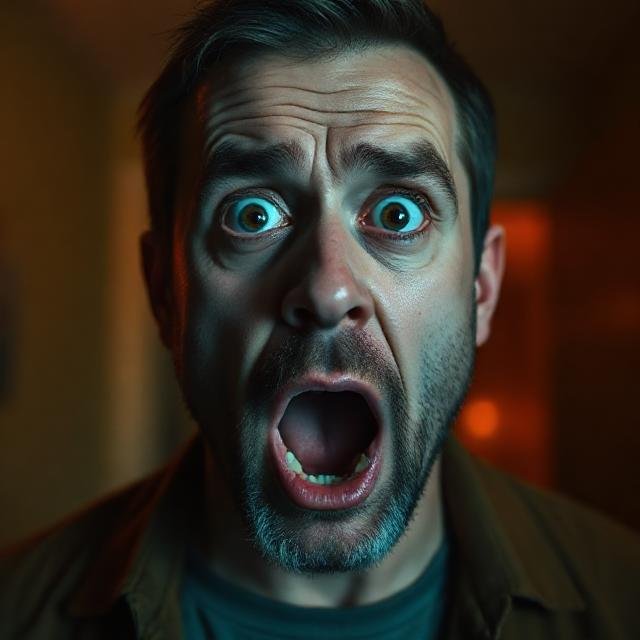
Fear isn’t always screaming in a corner. Sometimes it looks like silence, hesitation, or pretending everything’s fine. For many men in abusive situations, fear becomes a normal part of life — so normal they don’t even call it fear. But it shows up in your body, your choices, your relationships, and your voice. If you’ve been living in a state of tension, this one’s for you.
1. What does Fear Feels Like (Symptoms)
- Tight chest, racing heart, trouble breathing
- Always on edge — like you’re waiting for the next explosion
- Avoiding conflict at all costs, even when you’re right
- Startled easily, overly cautious, scanning rooms for exits
- Feeling frozen, like no choice is safe
2. How It Affects You
Fear takes over your life. It shrinks your world — your voice, your options, your ability to just be yourself. It convinces you to stay silent, to stay small, to stay put. It doesn’t just affect your safety — it affects your health, your sleep, your ability to trust people who actually care.
3. Where does Fear Come From
Fear isn’t just “in your head.” It’s a survival instinct — and when you’re in an abusive situation, your brain adapts to survive it. You become hyper-aware, because that’s what kept you safe. That pattern doesn’t shut off just because the abuse is subtle… or emotional… or behind closed doors.
4. What You Can Do About Fear
- Name it. Say “I’m afraid,” even just to yourself. Clarity weakens fear’s grip.
- Track the triggers. Write down what sets it off — patterns help you regain control.
- Ground your body. Deep breaths. Cold water. Movement. These aren’t magic tricks — they reconnect your brain and body.
- Talk to someone safe. Fear grows in silence. Speaking to someone outside the chaos brings oxygen back to your life.
- Make a plan. Even a rough exit plan reduces the helplessness that fear thrives on.
5. What NOT to Do
- Don’t ignore it and call it “just stress.” That’s denial, not strength.
- Don’t bury it under alcohol, porn, anger, or work — it leaks out eventually.
- Don’t let it convince you that you’re weak. You’ve been surviving a war — now it’s time to stop living in a foxhole.
6. Why It Matters to Face Fear
Fear that goes unchecked turns into a prison. Every decision you make becomes about avoiding pain instead of building peace. Your life becomes about “not making it worse” instead of making it better. Facing fear is hard — but it’s the only way out of survival mode and back into your life.
7. When to Ask for Help
If fear is running your days — if you’re constantly on edge, can’t sleep, or feel like you can’t make any decisions without permission — it’s time to talk to someone.
And no, asking for help doesn’t make you weak. That’s caveman thinking. If your toilet backs up, you call a plumber. When your brain feels backed up — you get a therapist, coach, or someone who knows how to clear the mess without judgment.
If it’s getting too loud in your head, get help. Quiet doesn’t return by itself.
Brother’s Note
You don’t need to apologize for being afraid. Fear is proof that something mattered — your safety, your peace, your dignity.
But staying afraid is optional. You’ve survived long enough. Now it’s time to rebuild something stronger — and you don’t have to do it alone.