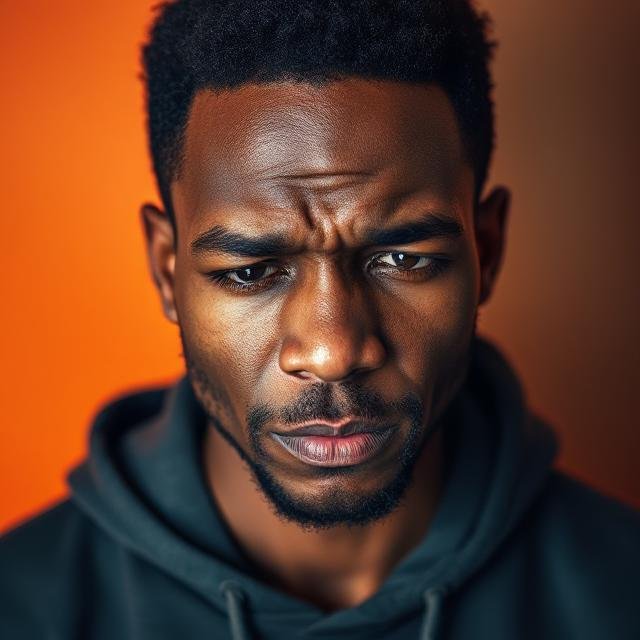
You spoke up… and were met with blank stares. Changed subjects. Even laughter. When a man says “I was abused,” the world often responds with a shrug. So you swallowed your truth. Questioned your memory. Maybe even started believing their indifference meant it wasn’t real.
But here’s the raw truth: Your story is valid. Not because they believe it… but because you lived it. And in a world that denies male victims exist, your voice is a rebellion.
“Silence is the abuser’s best weapon. Your story is your counterattack.”

Why They Didn’t Believe You (And Why That’s Their Failure, Not Yours)
Society has a script for abuse… and you didn’t fit the role:
- “Women don’t abuse.” (Lie.)
- “You’re bigger—how could she hurt you?” (Ignorance.)
- “You stayed, so it couldn’t have been bad.” (Bullshit.)
- “Men can’t be victims.” (The most dangerous lie of all.)
Their disbelief doesn’t make your experience less real. It makes their blindness more dangerous.
Why Your Voice Matters More Than Their Doubt
1. It Validates You First
Every time you speak your truth, you reclaim a piece of yourself they tried to erase. You stop begging for their approval—and start trusting your own.
2. It Lights the Way for Others
For every man who hears you and thinks, “That happened to me too,” you’ve just shattered his isolation. Silence keeps men trapped. Your story sets them free.
3. It Rewrites the Narrative
Abuse isn’t about gender—it’s about power. And every time a man speaks up, he proves:
- Victims don’t look a certain way
- Strength isn’t silence
- Healing isn’t shameful
“The world doesn’t change its mind about male victims—until men start changing the conversation.”
How to Speak Your Truth Without Drowning in It
1. Start Where It’s Safe
- Brotherhood circles (men who’ve been there)
- Therapy or men’s groups (trained professionals)
- Journaling (no audience, no judgment)
You don’t owe your pain to strangers. Share only when it strengthens you—not drains you.
2. Stick to the Facts
You don’t need to perform trauma to be believed.
- “She threatened me.”
- “She isolated me.”
- “She twisted every argument into my fault.”
Truth doesn’t need embellishment.
3. Protect Your Peace
- You don’t owe graphic details.
- You don’t have to name names.
- You can say, ‘That’s all I’m sharing.’
This isn’t about evidence—it’s about your healing.
4. Speak from the Scar, Not the Wound
Wait until the memory doesn’t gut you to share it publicly. Your story should empower you—not retraumatize you.
You Don’t Need Their Apology to Heal
She may never admit it. They may never believe you. But your worth isn’t tied to their acknowledgment.
- Speak because it sets you free.
- Write because it helps you process.
- Share because it might save one other man from feeling alone.
“Your story isn’t about changing their minds. It’s about reclaiming yours.”
Final Word: Your Silence Was Survival. Your Voice Is Power.
They didn’t listen. That’s their failure. But you’re still here. Still standing. Still capable of turning your pain into purpose.
Your story isn’t just yours… it’s a lifeline for the next man who thinks he’s alone. Throw the rope.
“The world didn’t believe you. So believe yourself… and speak until the echoes drown out their doubt.”